
Siamese Cat Guide
Siamese cats are social, vocal, and people-oriented companions. This guide helps you evaluate interaction needs, temperament fit, apartment suitability, and India-relevant care tradeoffs.
Use this guide to judge routine fit, energy expectations, cost pressure, and daily care demands before you decide that this breed belongs in your home.
Origin
Thailand
Size
Medium
Coat
Short coat
Monthly cost
Medium
Energy profile
High
Beginner ease
Moderate
Apartment fit
High
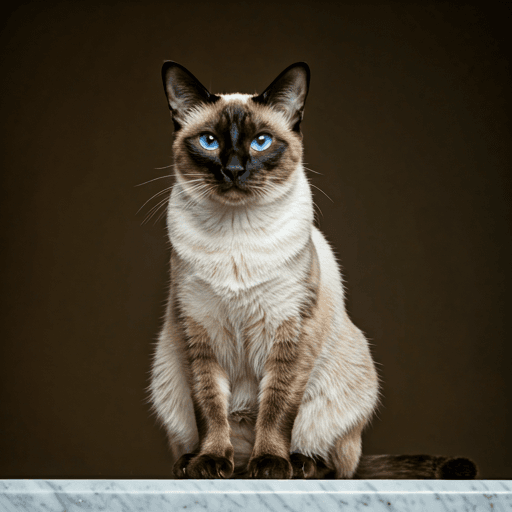
High energy, moderate beginner fit.
Daily routine matters
Energy, stimulation, and predictability often shape this breed more than looks do.
Beauty is not the whole fit
Temperament, cost, grooming, and home rhythm should drive the real decision.
Best for
- Owners wanting an interactive, social companion
- Homes where people are present and engaged daily
- Families comfortable with vocal communication
Poor fit if
- People wanting a quiet, highly independent cat
- Homes with very little daily interaction
- Owners expecting low-engagement companionship
Reality check
Breed fit is usually decided by everyday routine, not by a single trait score or visual preference.
Full breed guide
The content below is still sourced directly from the published MDX file. This redesign only changes the reading experience and visual structure.
Quick decision summary
Siamese cats are often social, communicative, and engagement-seeking. They can be excellent companions for interactive homes, but may frustrate owners expecting a quiet or low-interaction cat.
Siamese cats are popular for their appearance and expressive behavior. The right match is usually less about looks and more about your willingness to provide daily attention, play, and routine structure.
At a glance
- Social drive: often high; many prefer regular human interaction.
- Vocality: commonly high.
- Grooming: usually low due to short coat.
- Apartment fit: often good with routine and enrichment.
- Budget signal in India: often medium, but varies by health and city.
Personality and communication style
Many Siamese cats use vocalization as part of normal interaction. This can include greeting, attention-seeking, and response to routine changes.
For some families this feels engaging; for others it feels demanding. Decide honestly whether you enjoy a talkative pet before choosing this breed profile.
Energy and daily routine
Siamese cats are often active and curious, though usually not at the same intensity as some high-drive breeds.
A practical routine often includes:
- structured play sessions,
- puzzle or hunt-style enrichment,
- social interaction windows,
- predictable rest and feeding rhythm.
Without enough interaction, boredom and frustration behaviors may increase.
Grooming and physical care
Short coat can make day-to-day grooming simpler than long-coated breeds. Still, low grooming does not mean low care.
You still need:
- nail and hygiene checks,
- litter consistency,
- nutrition and hydration quality,
- preventive veterinary care.
Apartment suitability and India context
India-first planning
Siamese cats can adapt well to apartment homes when social and play needs are met. Heat planning and hydration remain important in warmer regions.
If your schedule keeps the home empty for long hours daily, plan enrichment and interaction support in advance.
Cost and effort profile in India
Siamese ownership is often medium-range in cost, but this depends on city, diet choices, preventive care, and individual health.
Time cost can be significant because social breeds usually require interaction consistency, not just basic feeding.
For broader planning, see Monthly Cost of Owning a Cat in India.
Beginner suitability
Prepared beginners can do well if they understand that vocal and social needs are central to this breed profile. If you want a quieter companion, review alternatives like Persian Cat or some calmer Indian Domestic Cat individuals.
Health and welfare caution
Any sudden change in vocal behavior, appetite, or activity can have environmental or medical causes. If changes are abrupt or severe, consult a veterinarian.
Medical disclaimer
This guide is for educational purposes only and does not replace professional veterinary advice.
Who should avoid this breed
Siamese may be a poor fit for homes that:
- want a mostly independent, low-interaction cat,
- are highly noise-sensitive,
- cannot provide consistent play and companionship,
- have unstable daily routines.
Related C4Cats guides
FAQs
Are Siamese cats always very vocal?
Many are notably vocal, but intensity varies by individual and environment.
Are Siamese cats good for apartments?
Often yes, especially with enrichment and regular interaction.
Do Siamese cats need a lot of grooming?
Compared with long-haired breeds, grooming demand is typically lower.
Are Siamese cats good for first-time owners?
They can be, if the owner is ready for social engagement and vocal behavior.
Do Siamese cats get lonely easily?
Many are people-oriented and can be sensitive to long periods of low interaction.
Are they expensive to maintain in India?
Often moderate overall, though costs vary by city, food, preventive care, and health profile.
What is the main mismatch risk?
Choosing a Siamese while expecting a very quiet, independent cat experience.
Compare next
These published breed guides are the next useful comparisons if you want a different balance of energy, grooming, cost, or beginner ease.
Bengal Cat Guide
Bengal cats are active, intelligent, and enrichment-heavy companions. This guide explains energy demands, home setup, cost planning, and whether a Bengal fits your lifestyle in India.
MediumPersian Cat Guide
Persian cats are calm indoor companions with high grooming and heat-management needs. This guide helps you decide if a Persian fits your home, budget, and routine in India.
MediumIndian Domestic Cat Guide
Indian domestic cats are highly individual mixed-lineage cats that can adapt well to many homes. This guide covers temperament ranges, care, cost, and adoption-focused decision points.